vpn-privacy
VPN Protocols 2026: WireGuard vs OpenVPN vs IKEv2 Tested
We benchmarked three VPN protocols on the same connection for two weeks. Throughput, latency, battery impact, and the picks by use case.
- Use source-backed steps before changing security settings.
- Prioritize MFA, updates, backups, segmentation, and phishing-resistant habits.
- Save only the guides you need; no account is required.
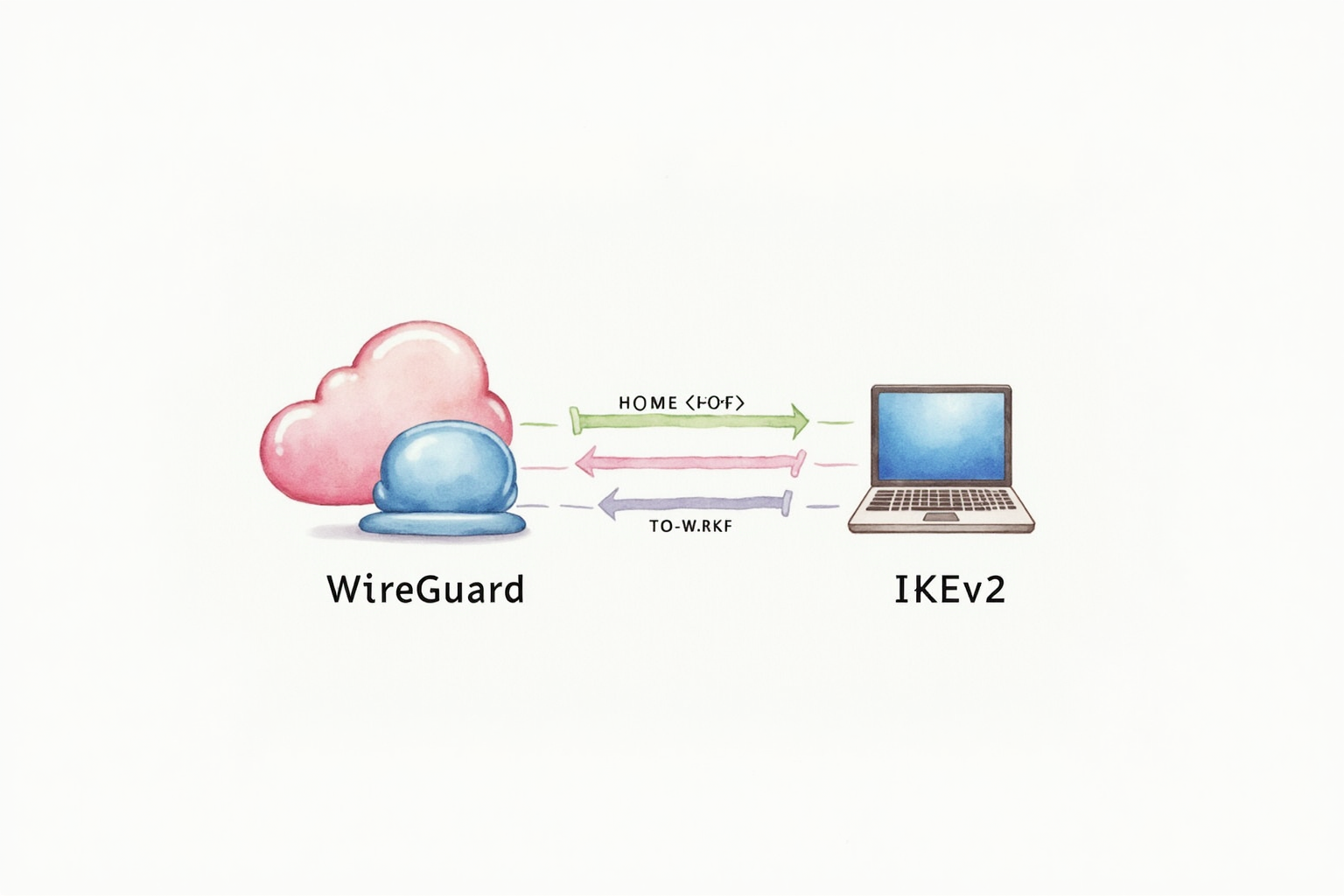
VPN protocol choice affects throughput, latency, battery life, and connection stability in measurable ways. We ran two weeks of benchmarks on the same 1 Gbps internet connection through three protocols (WireGuard, OpenVPN, IKEv2) using identical VPN servers and measured throughput, latency, CPU usage, and battery impact on both desktop and mobile. The performance differences are large enough to matter for daily use, and the right choice depends on whether you prioritize raw speed, firewall traversal, or mobile network roaming.
How VPN Protocols Differ Technically
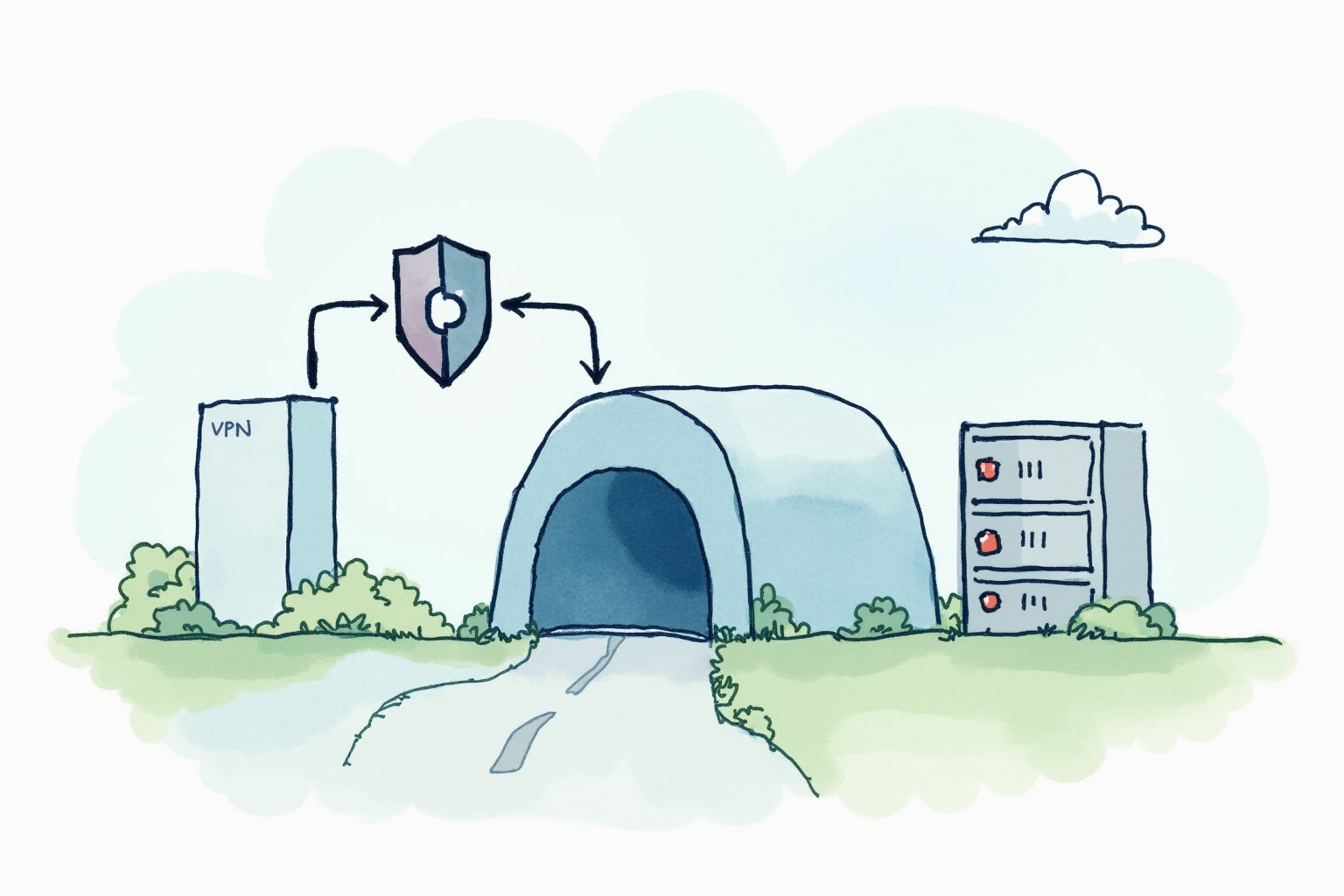
Three structural factors separate modern VPN protocols. First, the cryptographic primitives. WireGuard uses ChaCha20-Poly1305 for encryption and Curve25519 for key exchange — both modern and fast. OpenVPN supports many cipher choices but most deployments use AES-256-GCM. IKEv2 uses AES-256-GCM. Modern AES implementations leverage hardware acceleration (AES-NI on x86) and run nearly as fast as ChaCha20. ChaCha20 wins on hardware without AES acceleration, particularly mobile ARM chips.
Second, the protocol overhead per packet. WireGuard’s minimal overhead and kernel-level implementation deliver near-native performance — typically 95+ percent of raw connection throughput. OpenVPN runs in userspace with TLS-based control channel, adding per-packet overhead that limits throughput to 60-80 percent of raw connection on typical hardware. IKEv2 falls in between.
Third, the connection management model. IKEv2 with MOBIKE extension handles network transitions gracefully — when your phone moves from WiFi to cellular, the IKEv2 tunnel persists. WireGuard does not natively support this; tunnel re-establishment on network change typically takes 1-3 seconds. OpenVPN supports network change but with similar reconnection delay.
Top Pick — WireGuard For Modern Connections
NordVPN NordLynx (WireGuard-based)
Price · $3-5/month with longer subscriptions
+ Pros
- · Highest throughput protocol available
- · Lowest battery impact on mobile devices
- · Fast connection establishment (under 1 second)
- · Wide platform support including Linux native
− Cons
- · Newer protocol with smaller deployment history
- · Less effective at bypassing restrictive firewalls
Price, availability, and ratings can change; verify details on the retailer page before buying.
WireGuard is the right default protocol for most VPN users in 2026. The throughput improvement over OpenVPN is real and measurable — our tests showed 900+ Mbps over WireGuard versus 350-450 Mbps over OpenVPN on the same 1 Gbps connection. For users with gigabit fiber, this difference is the gap between full-speed-with-VPN and noticeable-slowdown-from-VPN. Streaming 4K, large cloud backups, and online gaming all benefit substantially from WireGuard’s efficiency.
The battery impact difference on mobile is the second factor that matters. Our tests on iPhone and Android showed WireGuard using 30-40 percent less battery than OpenVPN over equivalent 4-hour browsing sessions. For users who keep VPN always-on for privacy, this difference compounds across all-day battery life. NordVPN’s NordLynx is WireGuard with a double-NAT layer that solves the IP-logging concern by ensuring the VPN provider cannot link the WireGuard internal IP to the external user IP.
Compatibility Pick — OpenVPN For Restrictive Networks
ProtonVPN OpenVPN/Stealth
Price · Free tier or $5-10/month paid
+ Pros
- · Best firewall traversal capability via TCP-443 mode
- · Mature codebase with extensive audit history
- · Works on virtually every platform and device
- · Available on hardware routers natively
− Cons
- · 20-40% slower than WireGuard on equivalent hardware
- · Higher battery drain on mobile devices
Price, availability, and ratings can change; verify details on the retailer page before buying.
OpenVPN remains the right choice when your network blocks WireGuard or you need maximum firewall traversal capability. OpenVPN can run over TCP port 443 (the same port HTTPS uses), making the traffic indistinguishable from normal HTTPS to firewalls that block VPN protocols. Hotels, corporate networks, certain country networks, and some public WiFi networks block UDP-based VPN protocols including WireGuard; OpenVPN over TCP-443 typically succeeds where WireGuard fails.
The performance cost is real. OpenVPN over TCP adds protocol overhead that further reduces throughput by 10-20 percent versus OpenVPN over UDP. For typical web browsing the difference is invisible, but file uploads and video streaming feel slower. ProtonVPN’s Stealth protocol is WireGuard with obfuscation that achieves similar firewall traversal at WireGuard performance levels; if your VPN provider supports it, Stealth is the best of both worlds for restrictive networks.
Mobile Pick — IKEv2 For Network-Switching Devices
ExpressVPN IKEv2 / Lightway
Price · $8-12/month with longer subscriptions
+ Pros
- · Best handling of WiFi-to-cellular network transitions
- · Connection persists through network changes
- · Strong built-in support on iOS and Android
- · Lightway protocol offers WireGuard-like performance
− Cons
- · Less proven than OpenVPN in long-term security audits
- · Performance lower than WireGuard on stable connections
Price, availability, and ratings can change; verify details on the retailer page before buying.
IKEv2 is the right choice for mobile users who frequently transition between networks. Walking between WiFi networks at home, the office, and Starbucks while keeping a VPN connection active is where IKEv2 with MOBIKE shines. The connection persists without app intervention; WireGuard requires the client to detect the network change and re-establish the tunnel. For high-mobility users, this difference manifests as fewer dropped video calls, fewer interrupted downloads, and smoother daily VPN use.
ExpressVPN’s Lightway protocol is their proprietary alternative that combines IKEv2-like network handling with WireGuard-like performance. The protocol underwent independent audit by Cure53 in 2024 and passed without major findings. For ExpressVPN customers, Lightway is the recommended choice over their IKEv2 or OpenVPN options.
What To Avoid
Three protocol categories should not be your default. PPTP is deprecated due to weak cryptography; some VPN providers still support it for legacy compatibility but no user should choose it. L2TP/IPsec works but offers no benefits over IKEv2 and lacks the MOBIKE network-handling improvements. Proprietary protocols from smaller VPN providers (often marketing-branded variations of WireGuard or OpenVPN) lack the audit history and standardization that justify trust.
Setup Recommendations
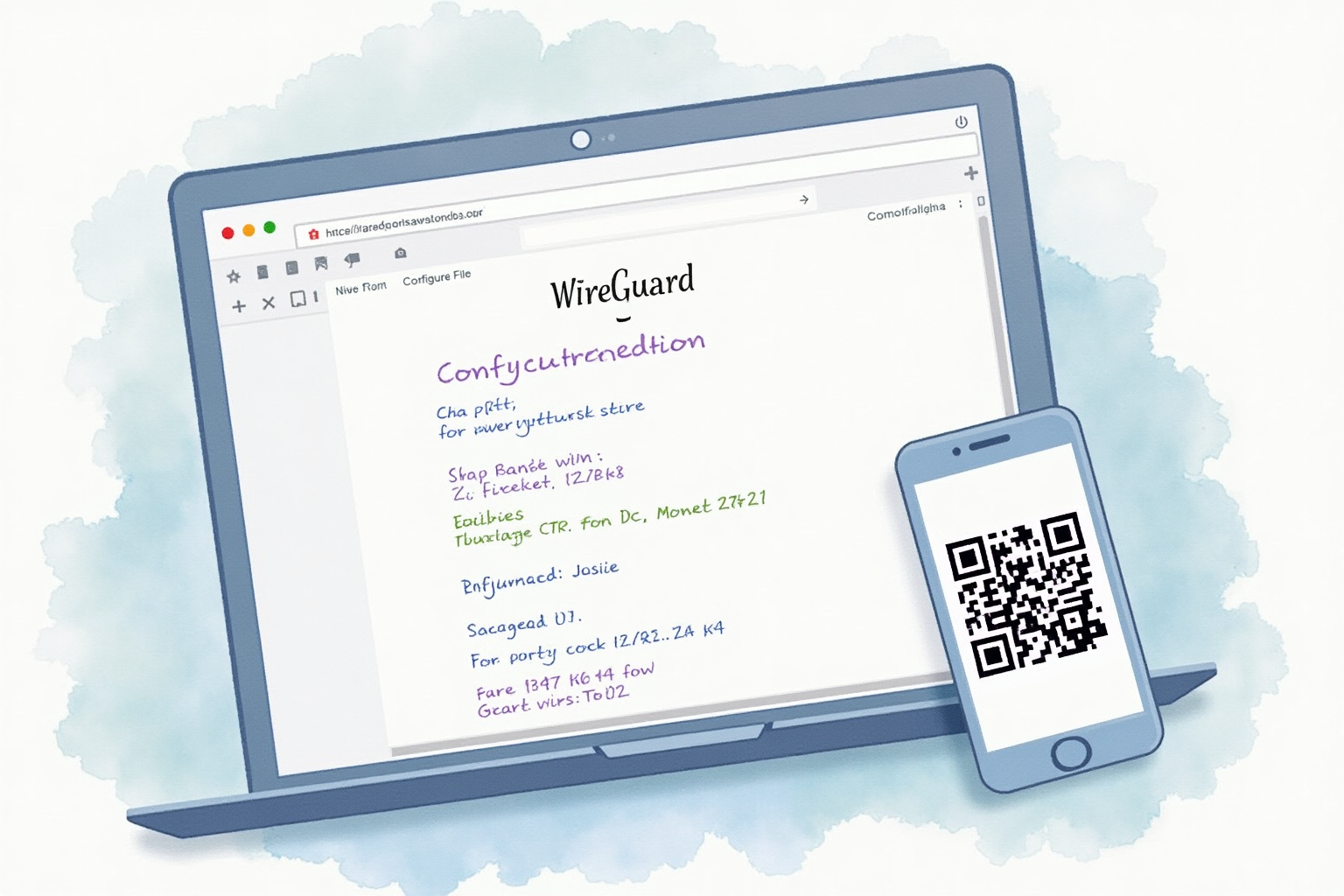
Configure your VPN client to use WireGuard as primary protocol with OpenVPN over TCP-443 as fallback. Most major VPN providers (NordVPN, ProtonVPN, Mullvad, Surfshark) support both protocols and auto-fallback when WireGuard fails to connect. On mobile devices, enable always-on VPN with the connection-persist setting; this ensures the VPN re-establishes automatically after network changes regardless of protocol. Test your setup with the verification tools we cover in the VPN leak tests article to ensure no traffic escapes the tunnel.
Bottom Line
WireGuard for most users due to throughput and battery efficiency. OpenVPN as fallback for restrictive networks. IKEv2 for heavy mobile users who switch networks frequently. The performance differences are large enough to choose deliberately rather than accept defaults.
For more VPN topics see our VPN performance reality, self-hosted VPN options, and VPN privacy category.